How to Sleep on a Plane in Economy Class: A Smart Traveler’s Guide From Takeoff to First Meal
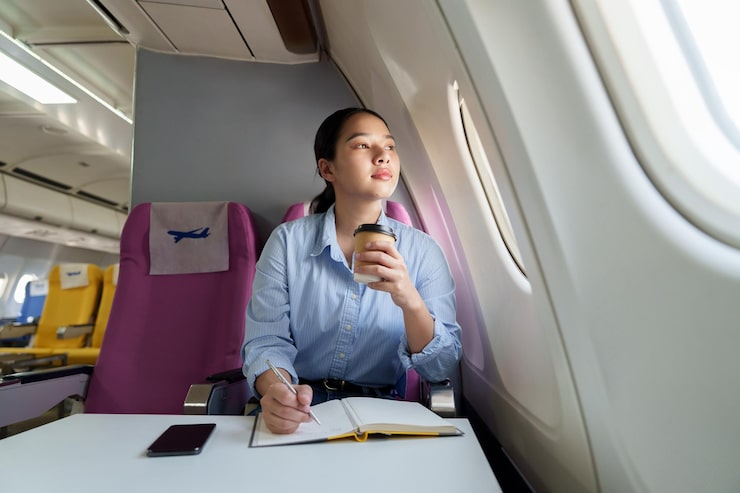
There’s a particular kind of tired that only comes from a long economy flight. Your neck hurts from tilting against a headrest that doesn’t fit, your legs feel like they belong to someone else and you land in a new country at an hour when your body insists it should be asleep. Then you still have to find a taxi, check in and somehow act like a person who is excited to be there.
Nobody wants to start a holiday that way. The good news is that you can improve your chances a lot with some simple planning. In this guide, we’ll start with how to sleep on a plane even when you’re squeezed into a narrow seat, then move on to choosing a hotel that helps you recover and finishing with a few ideas for enjoying your first meals. It’s practical, honest advice for real travelers, not for people in lie flat suites.
Why Sleeping in Economy Is So Hard
The Real Obstacles
It’s not you. Economy cabins combine several sleep killers at once. The seat doesn’t recline far, so your head and neck have little support. The cabin is noisy and brightly lit at odd times. The air is dry and cool, you’re sitting upright and meals and service interrupt you. On top of that, your body clock is confused, which makes falling asleep harder even when you’re exhausted.
What Helps
You can’t change the seat, but you can change almost everything around it. Think of it as three layers: choosing your seat well, bringing the right gear and setting your body clock before you board.
Before the Flight: Set Yourself Up to Sleep
Choose Your Seat Carefully
If you can pick a seat, choose with sleep in mind. Window seats give you a wall to lean against and mean nobody climbs over you. Aisle seats are better if you want to stretch or visit the restroom often, but you’ll be bumped by trolleys and passersby. Avoid seats right by the galley and lavatories, which are noisy and busy, and avoid the last row, where seats may not recline. Many travelers like seats toward the front of the cabin because it’s often a bit quieter. If you’re traveling with a partner, consider a trick where you book the window and aisle in a row of three and hope the middle stays empty.
Pack a Small Sleep Kit
A few light items can make a major difference. A supportive neck pillow keeps your head from flopping sideways. Wrap around and structured styles often hold better than basic U shapes. An eye mask blocks the cabin lights, and earplugs or noise cancelling headphones soften engine hum and chatter. A light scarf or blanket helps, since planes can be chilly. Warm socks and loose, layered clothing keep you comfortable. If you’re searching for the best neck pillow for flying, try a few in a store and choose one that suits your neck and fits into your bag.
Get Your Body Clock Ready
If your flight is overnight, try to be a little tired when you board, not already exhausted from a long day. Avoid heavy caffeine in the six hours before you want to sleep. Eat a light meal before or soon after boarding, since a big greasy meal can make you uncomfortable. Set your watch to the destination time as soon as you sit down, because it helps your mind start shifting.
In Your Seat: How to Actually Sleep on a Plane
Get Comfortable First
Fasten your seatbelt over your blanket, where the crew can see it, so you won’t be woken for turbulence checks. Recline a little, and keep your seat upright during meals and takeoff and landing as required. Use a jacket or small pillow behind your lower back to avoid slouching. Place your feet flat or on a small footrest, and avoid crossing your legs for long periods.
Make Your Own Quiet Space
Put on your eye mask and earplugs before the cabin lights go down. Play soft, steady sound such as white noise or gentle instrumental music. Close the window shade and turn off the reading light. Keep screens off for at least thirty minutes before you try to sleep, since bright light tells your brain it’s still daytime.
Be Smart About Food and Drinks
Drink water steadily, since dry cabin air dehydrates you and dehydration makes you feel worse. It may be tempting to have a drink to relax, but alcohol tends to break up sleep and can leave you groggy. Choose water or herbal tea over coffee in the hours before you rest.
A Word on Sleep Aids
Some people use melatonin to help shift their body clock, and it’s commonly discussed for jet lag. Others reach for stronger sleeping pills. Because these can interact with other medications and may carry risks when you’re immobile on a long flight, it’s wise to talk with a doctor or pharmacist before using any of them, especially if you have health conditions.
Keep Your Blood Flowing
Long periods of sitting can affect circulation. When you’re awake, flex and rotate your ankles, stretch your calves and take short walks down the aisle every hour or two if allowed. Wearing loose clothing and, if your doctor recommends, compression socks can help.
Arriving Well: Choosing a Hotel That Helps You Recover
Why Your Hotel Matters After a Long Flight
Your first night’s stay can make or break your recovery. After a long journey, you want a quiet room, a comfortable bed and a smooth check in. A hotel that looks perfect in photos but sits above a noisy bar can undo all your good work in the air. That’s why reading hotel reviews carefully matters so much.
How to Read Hotel Reviews Like a Pro
Are hotel reviews trustworthy? They can be, if you read them the right way. Don’t rely on the average score alone. A hotel with a high rating and thousands of reviews can still have problems that matter to you. Use this simple approach.
Start with recent reviews from the last six to twelve months, since management, staff and renovations change. Read a mix of ratings, including the three star reviews, which often give the most balanced picture. Look for patterns. One complaint about noise might be unlucky, but ten complaints is a warning. Pay attention to the things that matter after a flight, such as noise, bed comfort, cleanliness, air conditioning, wifi and the distance to transport. Check traveler photos, not just the official ones. Notice whether management replies politely and fixes issues, since it shows how problems are handled. Be wary of reviews that sound very generic or suspiciously similar. And compare more than one platform before deciding.
Plan for a Smooth Arrival
If you land early in the morning, ask the hotel about early check in or luggage storage before you book. Some travelers reserve the night before so the room is ready the moment they arrive, which can be worth the cost after a red eye flight. Confirm that the hotel has a reliable airport transfer option or clear directions, and keep your booking details handy on your phone.
Eating Well at Your Destination
Start Gently
After a long flight, your stomach may be unsettled. Begin with a light, easy meal and plenty of water, and save the big feast for the following day. Avoid rushing straight into rich or very spicy food if you’re feeling off.
Plan Around Your Passion for Food
For many travelers, food is the main reason to go somewhere. If that’s you, researching food travel destinations before booking can shape your whole trip. Look for places with strong local cuisine, lively markets, regional specialties and cooking classes. Think about the season, since some dishes and festivals are tied to particular times of year.

Tips for Eating Authentically and Safely
Watch where locals eat, and choose busy places where food turns over quickly. At street stalls, pick ones where dishes are cooked fresh and served hot. Learn a few key words for allergies and dietary needs. Visit markets in the morning, when everything is freshest. Book popular restaurants ahead, and ask your hotel staff for their personal favorites, not just the tourist suggestions. Carry water and hand sanitizer, and take it easy with ice and raw foods if you’re unsure about local water quality.
A Simple Jet Lag Plan
If you’re wondering how to avoid jet lag, the idea is to nudge your body toward the new time zone. On arrival, get outside in daylight as soon as you can, since sunlight is the strongest signal for your body clock. Keep your first nap short, around twenty to thirty minutes, and try to stay up until a reasonable local bedtime. Eat meals at local times, and keep your first day light, with a walk and an early night. Most people adjust within a few days, though longer trips across many time zones can take longer.
Common Mistakes to Avoid
The most common mistakes include picking a seat by the galley, skipping a neck pillow or eye mask, drinking alcohol to fall asleep, eating a heavy meal right before resting, ignoring a hotel’s recent reviews, forgetting to ask about early check in and trying to cram a packed itinerary into the first day. Another is setting unrealistic expectations. You may not sleep deeply on a plane, and that’s okay. Even a few hours of rest helps.
Conclusion
Economy travel will never feel like a hotel bed, but you can make it far more bearable. Choose your seat with care, pack a few small comforts, give your body clock a head start and let yourself rest even if sleep comes in pieces. When you land, pick a hotel based on reading reviews wisely, eat gently and use daylight to reset. Do these things and you’ll arrive with energy left to enjoy the place you came to see.
If you have a trip coming up, take one small step today. Order or borrow a neck pillow and an eye mask, and check the recent reviews for your first night’s hotel. Those two simple actions make a surprising difference.
FAQs
1. How can I sleep on a plane in economy class?
Choose a window seat if you can, use a supportive neck pillow, eye mask and earplugs, dress in layers and set your watch to your destination time. Avoid alcohol and heavy meals, and keep your seatbelt visible over your blanket.
2. What is the best neck pillow for flying?
The best one depends on your neck and seat. Structured or wrap around styles often hold the head better than basic U shapes, so try a few in a store and choose one that is comfortable and easy to pack.
3. How do I read hotel reviews properly?
Focus on recent reviews, read a mix of ratings including three star ones and look for repeated patterns about noise, cleanliness and comfort. Check traveler photos, see how management responds and compare several review platforms.
4. How can I avoid jet lag?
Set your watch to the destination time, get daylight as soon as you land, keep your first nap short and eat meals at local times. Most people adjust within a few days.
5. How do I find good food travel destinations?
Look for places known for local cuisine, markets, regional specialties and cooking classes, and consider the season. Once there, eat where locals eat and choose busy places where food is cooked fresh.